Frozen Pipe Repair
No water after a deep freeze? We thaw frozen pipes safely, find any splits and repair damage before it floods.
Frozen Pipe Repair details
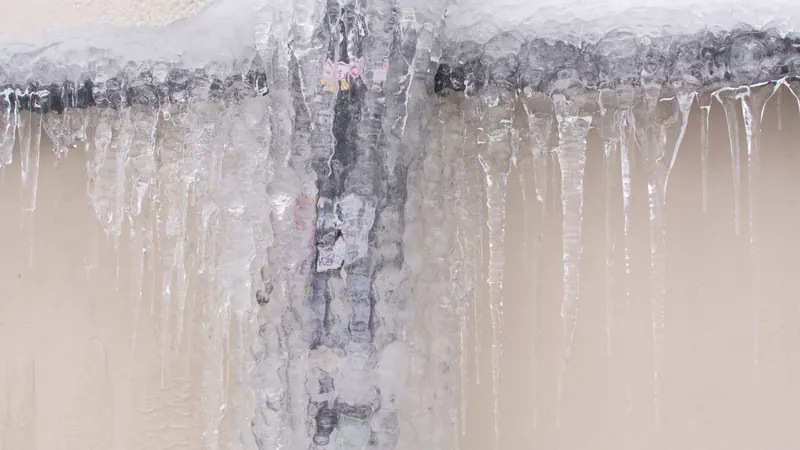
New York winters freeze pipes every year, especially in older homes. A little preparation in the fall prevents most of the damage.
Quick answer: To prevent frozen pipes in New York, shut off and drain outdoor hose bibs, insulate pipes in garages, crawl spaces and along outside walls, open sink cabinet doors on cold nights, let faucets on outside walls drip during deep cold, and keep the house warm even when you are away. Seal drafts near pipes and know where your main shutoff is.
Pipes freeze where cold air reaches them. In older Capital Region and upstate homes, that usually means kitchen and bathroom pipes on exterior walls, supply lines running through attached garages, pipes in crawl spaces and unfinished basements near the rim joist, and lines near drafty windows or sill plates. Lake effect cold in western and central New York and long stretches of single digit nights in the North Country push the risk even higher.
Disconnect garden hoses, shut the inside valve that feeds each hose bib, and open the outside spigot to drain it. Add foam pipe insulation to exposed pipes in garages, crawl spaces and basements. Seal gaps where cold air enters near pipes with caulk or spray foam. Keep the garage door closed in cold weather. These steps take an afternoon and prevent the most common freeze calls we get.
When the forecast drops into the single digits or below zero, open the cabinet doors under kitchen and bathroom sinks on outside walls so warm room air reaches the pipes. Let those faucets drip a thin, steady stream overnight. Moving water is much harder to freeze, and an open faucet relieves pressure if ice does form. Keep the thermostat steady day and night instead of turning it down while you sleep.
Heat tape and heat cables can help on pipes that are hard to protect, but use them carefully. Use only products listed for use on pipes, follow the instructions exactly, never wrap a cable over itself, and plug it into a proper outlet rather than an extension cord. Check older heat tape every fall for cracks or worn spots. Damaged heat tape can be a fire risk, so replace it rather than patching it.
If you leave for the winter or own a vacant property, keep the heat on at a safe setting and have someone check the house regularly. For a home or camp that will sit empty and unheated, shut off the main water and drain the plumbing system completely before you leave. A remote temperature or leak alert gives you an early warning if the heat fails. Many burst pipes we see in spring happened in homes where no one was there to notice.
If a faucet only trickles or nothing comes out on a cold morning, a pipe is likely frozen. Open the faucet, then warm the pipe slowly with a hair dryer or warm towels, starting near the faucet and working back. Never use an open flame or a torch. If you cannot find the frozen spot, cannot reach it, or see any sign of a split or leak, shut off the main water and call a plumber. Fullerton answers 24/7 at (518) 776-7838.
Need help now? Call (518) 776-7838, we answer 24/7. Request online and our team usually calls back within two hours. Learn more about our frozen pipe repair service.
Pipes in unprotected spots can start to freeze when outdoor temperatures stay around 20 degrees or below, especially overnight. The risk climbs sharply in the single digits and below zero. Wind, drafts and how exposed the pipe is matter as much as the number on the thermometer.
Yes, during deep cold. Let faucets on outside walls drip a thin, steady stream overnight when temperatures drop into the single digits or lower. Moving water resists freezing, and an open faucet relieves pressure if ice forms. Open the cabinet doors under those sinks too.
Disconnect the hose, find the shutoff valve inside the house that feeds the hose bib and close it, then open the outside spigot to let the water drain out. Leave it open for the winter. Frost free hose bibs still need the hose removed, because a connected hose traps water that can freeze.
Keep the heat on at a safe setting, ask someone to check the house regularly, and consider a temperature or leak alert. If the home will sit unheated, shut off the main water and drain the whole system before you leave. Insulate exposed pipes in the garage and crawl space in the fall.
Often, yes, if you can reach the pipe. Open the faucet and warm the pipe slowly with a hair dryer or warm towels, starting near the faucet. Never use an open flame. If you cannot find the frozen section or you see a crack or leak, shut off the main water and call a plumber.
No water after a deep freeze? We thaw frozen pipes safely, find any splits and repair damage before it floods.
Frozen Pipe Repair detailsWater pouring from a split pipe? We help you stop the flow by phone, then repair the break fast, day or night.
Burst Pipe Repair detailsReplace corroded galvanized, failing copper or problem pipe with new PEX or copper for better pressure and clean water.
Repiping detailsHidden leaks in walls, ceilings, slabs and yards located with minimal damage, so you fix the right spot the first time.
Leak Detection detailsWe answer 24 hours a day, 7 days a week. Call and talk to a real person, or request service online and we will call you back.
Tell us what is happening. Our team usually calls back within two hours. Emergency? Call now, we answer 24/7.
Or call (518) 776-7838, 24 hours a day